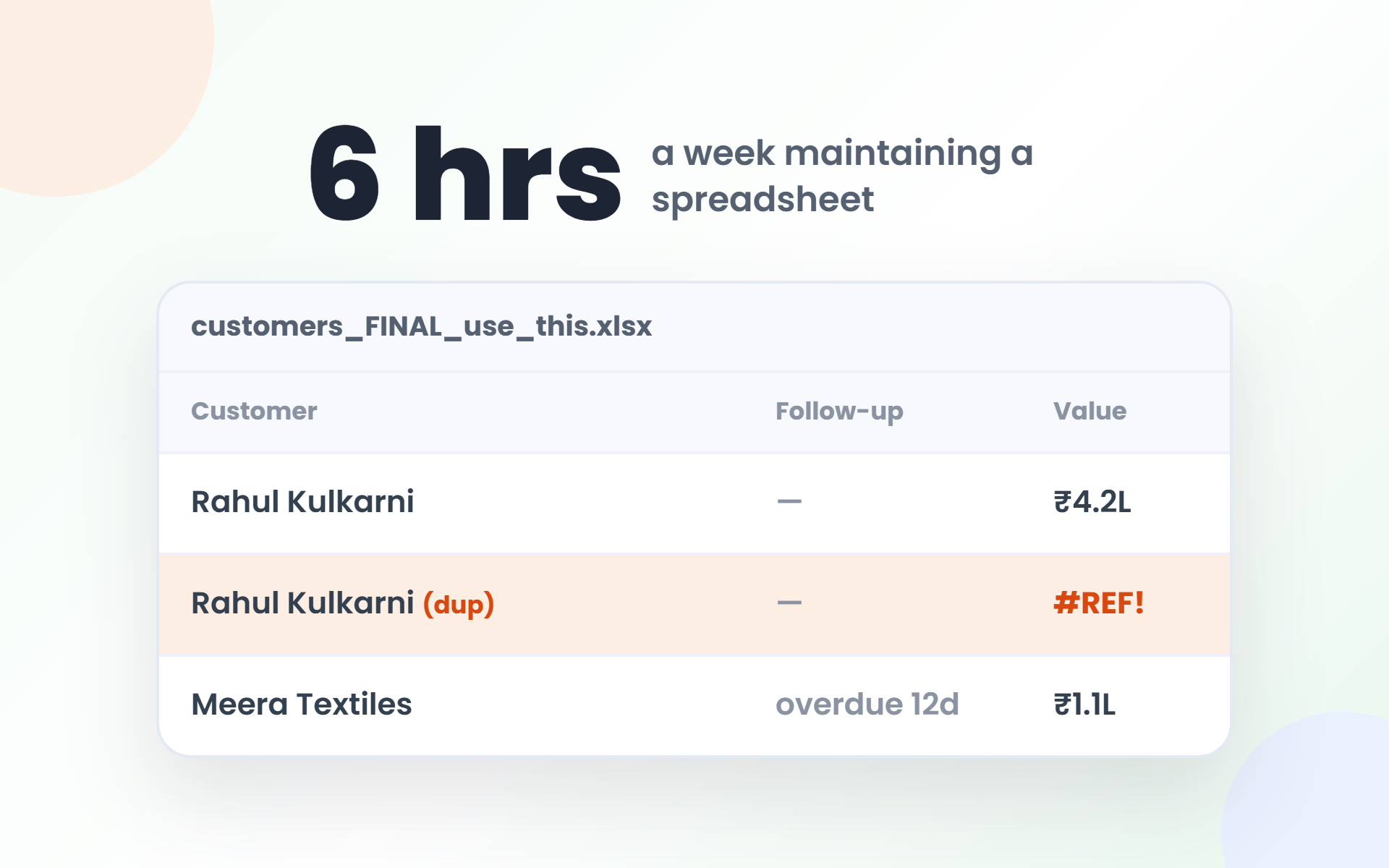
Customers are the foundation of every successful business. As your company grows, so does the complexity of managing customer relationships. Contact details become scattered across spreadsheets, sales conversations happen over multiple channels, follow-ups are missed, and valuable opportunities slip through the cracks.
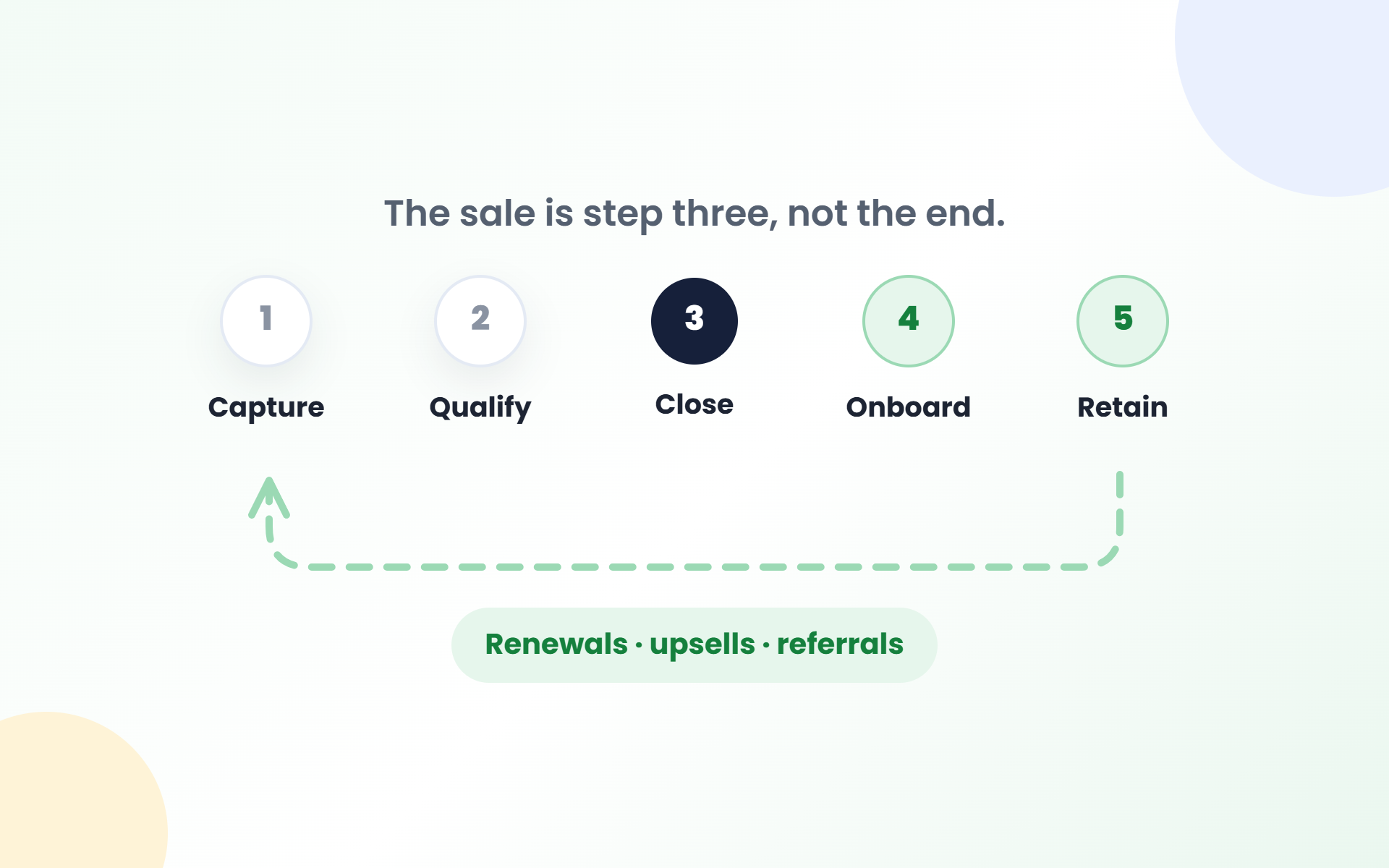
A Customer Management System (CMS) helps businesses organize customer information, streamline sales processes, and build stronger relationships from the first inquiry to long-term retention.
Whether you're a startup, an SME, or a growing enterprise, choosing the right customer management system can significantly improve productivity, customer satisfaction, and revenue.
This guide explains everything you need to know about customer management systems in 2026.
What Is a Customer Management System?
A Customer Management System is software designed to centralize customer information and manage every interaction throughout the customer lifecycle.
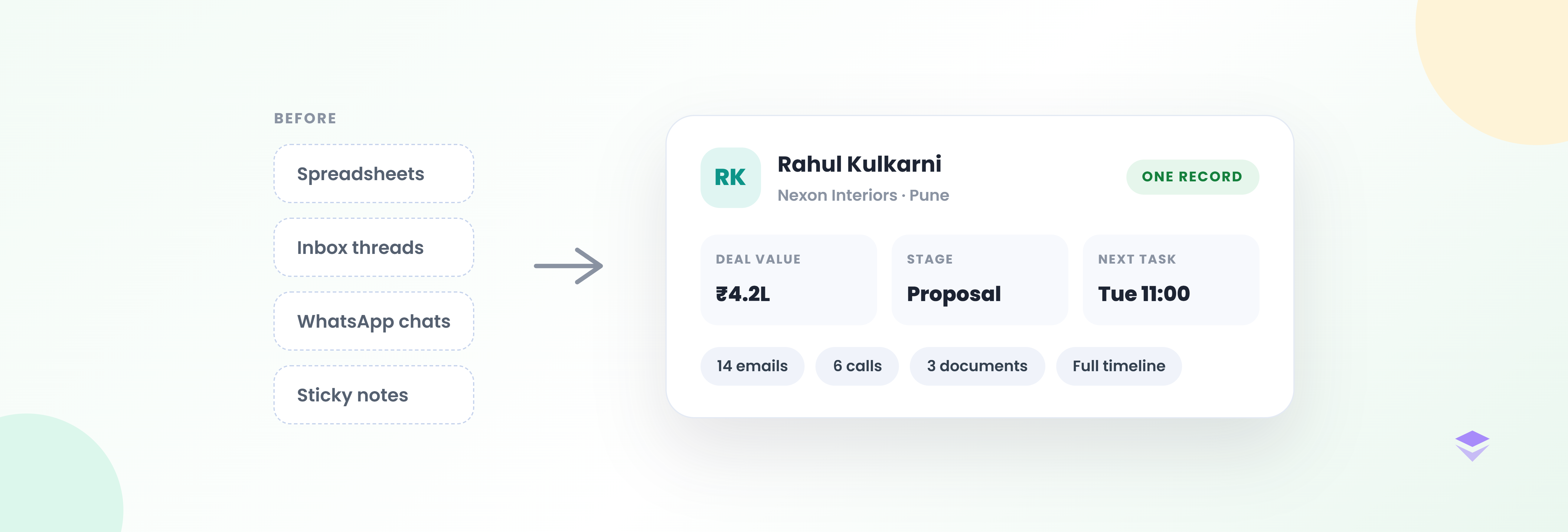
Instead of storing customer details across emails, spreadsheets, notebooks, and messaging apps, a customer management system keeps everything in one secure platform.
It allows businesses to:
- Store customer profiles
- Track communication history
- Manage leads and opportunities
- Schedule follow-ups
- Monitor sales activities
- Organize documents
- Generate reports
- Improve customer service
The goal is simple: make every customer interaction more organized, consistent, and productive.
Why Businesses Need a Customer Management System
As businesses grow, manual processes become difficult to manage.
Common challenges include:
- Customer information spread across multiple tools
- Missed follow-ups
- Duplicate records
- Lost sales opportunities
- Limited visibility into the sales pipeline
- Inconsistent customer communication
- Poor reporting
A customer management system solves these problems by creating a single source of truth for your team.
Key Features of a Modern Customer Management System
Centralized Customer Database
Every customer has a complete profile containing:
- Contact information
- Company details
- Previous conversations
- Purchase history
- Documents
- Notes
- Tasks
- Activity timeline
Everyone works from the same up-to-date information.
Lead Management
Capture leads from:
- Website forms
- Landing pages
- Email campaigns
- Phone calls
- Referrals
- Events
- Manual entry
Assign leads automatically and track them throughout the sales process.
Sales Pipeline Management
Visual sales pipelines help teams understand:
- Which deals are active
- Current deal stages
- Expected revenue
- Probability of closing
- Sales bottlenecks
Managers gain complete visibility into ongoing opportunities.
Task & Follow-Up Management
Never forget another follow-up.
Customer management systems automatically remind sales representatives about:
- Calls
- Meetings
- Proposal follow-ups
- Contract renewals
- Customer check-ins
This improves customer engagement and reduces lost opportunities.
Communication Tracking
Keep every interaction in one place.
Track:
- Emails
- Phone calls
- WhatsApp conversations
- Meetings
- Notes
- Internal comments
A complete communication history helps every team member understand customer context instantly.
Reporting & Analytics
Measure business performance using dashboards for:
- Lead sources
- Sales performance
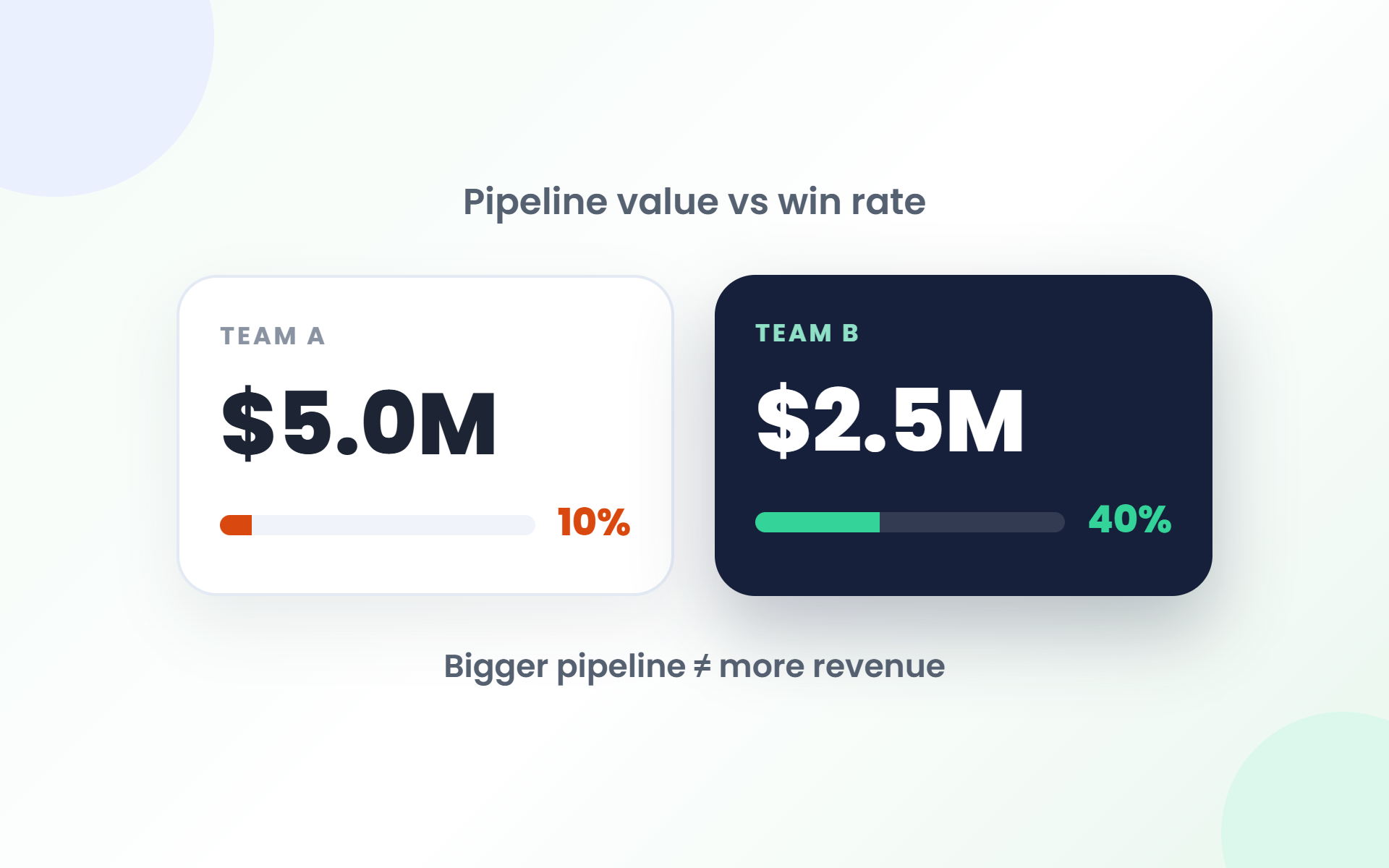
- Pipeline value
- Win rate
- Revenue forecasts
- Team activity
- Customer growth
Good decisions begin with accurate data.
Benefits of Using a Customer Management System
Businesses that implement a customer management system typically experience:
- Faster lead response times
- Better collaboration
- Improved customer experiences
- Higher sales productivity
- Better forecasting
- Increased conversion rates
- Reduced administrative work
- Greater customer retention
The software doesn't replace relationships—it helps teams manage them more effectively.
Customer Management System vs CRM
Many people use the terms interchangeably, but there is a subtle difference.
A Customer Management System focuses broadly on managing customer relationships, records, communications, and interactions across departments.
A Customer Relationship Management (CRM) platform typically includes advanced capabilities such as:
- Sales automation
- Pipeline management
- Marketing automation
- Workflow automation
- Revenue forecasting
- Opportunity management
Today, most modern CRMs also function as complete customer management systems.
Who Should Use a Customer Management System?
Customer management software benefits organizations of every size.
Common users include:
- Startups
- Small businesses
- Sales teams
- Marketing teams
- Customer support teams
- Educational institutions
- Healthcare providers
- Financial services
- Real estate agencies
- Manufacturing companies
Any business managing customer relationships can benefit from a centralized system.
How to Choose the Right Customer Management System
Before selecting a platform, evaluate:
Ease of Use
The system should be intuitive enough for every team member.
Customization
Every business has unique workflows.
Choose software that adapts to your processes rather than forcing you to change them.
Automation
Look for features like:
- Lead assignment
- Follow-up reminders
- Workflow automation
- Email notifications
- Task creation
Automation saves valuable time.
Integrations
Your system should connect with tools such as:
- Calendar
- Accounting software
- Payment gateways
- Document management systems
Connected systems reduce manual work.
Reporting
Real-time dashboards help leadership make informed decisions.
Common Mistakes Businesses Make
Many organizations invest in software but fail to improve customer management because they:
- Don't maintain accurate data
- Ignore follow-up reminders
- Skip employee training
- Fail to define sales processes
- Keep using spreadsheets alongside the system
- Don't measure performance
Technology alone isn't enough—consistent processes are equally important.
Customer Management Trends in 2026
Customer management platforms continue to evolve rapidly.
Key trends include:
- AI-powered sales assistants
- Predictive lead scoring
- Workflow automation
- Omnichannel communication
- Intelligent reporting
- Mobile-first customer management
- Digital document approvals
- Real-time collaboration
The future is moving toward platforms that actively help teams make better decisions instead of simply storing information.
Final Thoughts
A customer management system is much more than a digital contact book.
It's the central hub where customer information, communication, sales activities, and business processes come together. By organizing data, improving collaboration, and streamlining customer interactions, businesses can deliver better experiences while increasing efficiency and revenue.
As customer expectations continue to rise in 2026, investing in the right customer management system isn't just about staying organized—it's about building stronger relationships, making smarter decisions, and creating a foundation for long-term growth.