In sales, speed matters.
A prospect fills out your contact form, sends a WhatsApp message, replies to your marketing campaign, or requests a product demo. At that moment, they're actively interested in your solution. But if your team takes hours—or even days—to respond, that interest can disappear just as quickly.
The first response isn't just a courtesy. It's often the deciding factor between winning a customer and losing them to a competitor.
Here's why response time has become one of the most important metrics in modern lead management.
Every Minute Counts
When someone reaches out to your business, they're rarely evaluating just one company. They're researching multiple vendors, comparing solutions, and waiting to see who responds first.
The company that engages quickly has a significant advantage:
- It captures the prospect's attention while interest is highest.
- It answers questions before competitors do.
- It builds trust through responsiveness.
- It keeps the buying momentum alive.
A delayed response gives prospects time to lose interest, postpone their decision, or choose another provider.
Interest Has an Expiration Date
Lead intent isn't permanent.
A visitor requesting a demo today may not have the same urgency tomorrow. Priorities change, meetings get scheduled, budgets shift, and competitors reach out.
The longer a lead waits for a response, the more likely they are to:
- Forget they submitted an inquiry.
- Continue evaluating competitors.
- Assume your business isn't responsive.
- Decide the problem isn't urgent anymore.
What started as a high-intent lead can quickly become a cold opportunity.
Slow Responses Create a Poor First Impression
Your first interaction sets expectations for the entire customer relationship.
If it takes hours to acknowledge a simple inquiry, prospects may wonder:
- How long will support requests take?
- Will implementation be delayed too?
- Is the company reliable?
- Will communication always be this slow?
Responsiveness communicates professionalism. Delays communicate uncertainty.
Sales Teams Lose Valuable Momentum
Every delayed response creates additional work for sales representatives.
Instead of engaging an interested prospect, they often need to:
- Send multiple follow-up emails.
- Make repeated phone calls.
- Rebuild lost interest.
- Answer questions that competitors may have already addressed.
A quick first response often leads to smoother conversations and shorter sales cycles.
Manual Lead Routing Causes Bottlenecks
Many businesses still rely on manual processes:
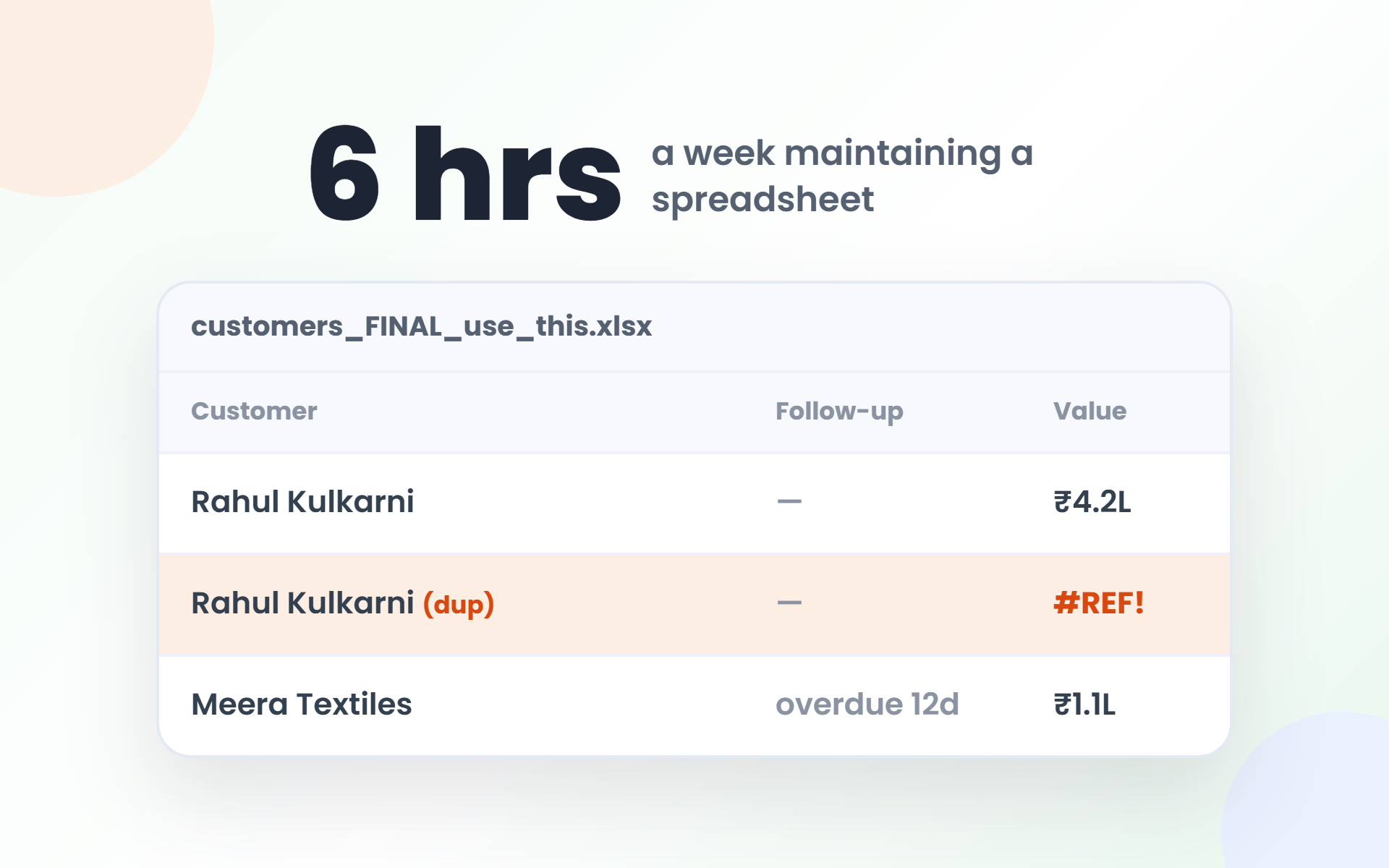
- Marketing exports leads into spreadsheets.
- Managers assign leads individually.
- Sales representatives discover new inquiries hours later.
- Customer messages remain unread outside business hours.
These delays aren't caused by the sales team—they're caused by inefficient lead management processes.
Automation eliminates these unnecessary bottlenecks.
Fast Responses Improve Lead Quality
Responding quickly doesn't just increase conversion rates—it also helps qualify leads earlier.
Early conversations allow sales teams to:
- Understand customer needs.
- Identify decision-makers.
- Confirm budgets.
- Schedule demonstrations.
- Prioritize high-value opportunities.
The sooner qualification begins, the sooner the right opportunities move through the pipeline.
How to Reduce First Response Time
Improving response speed doesn't necessarily require hiring more salespeople.
Instead, businesses should focus on creating a streamlined lead management process:
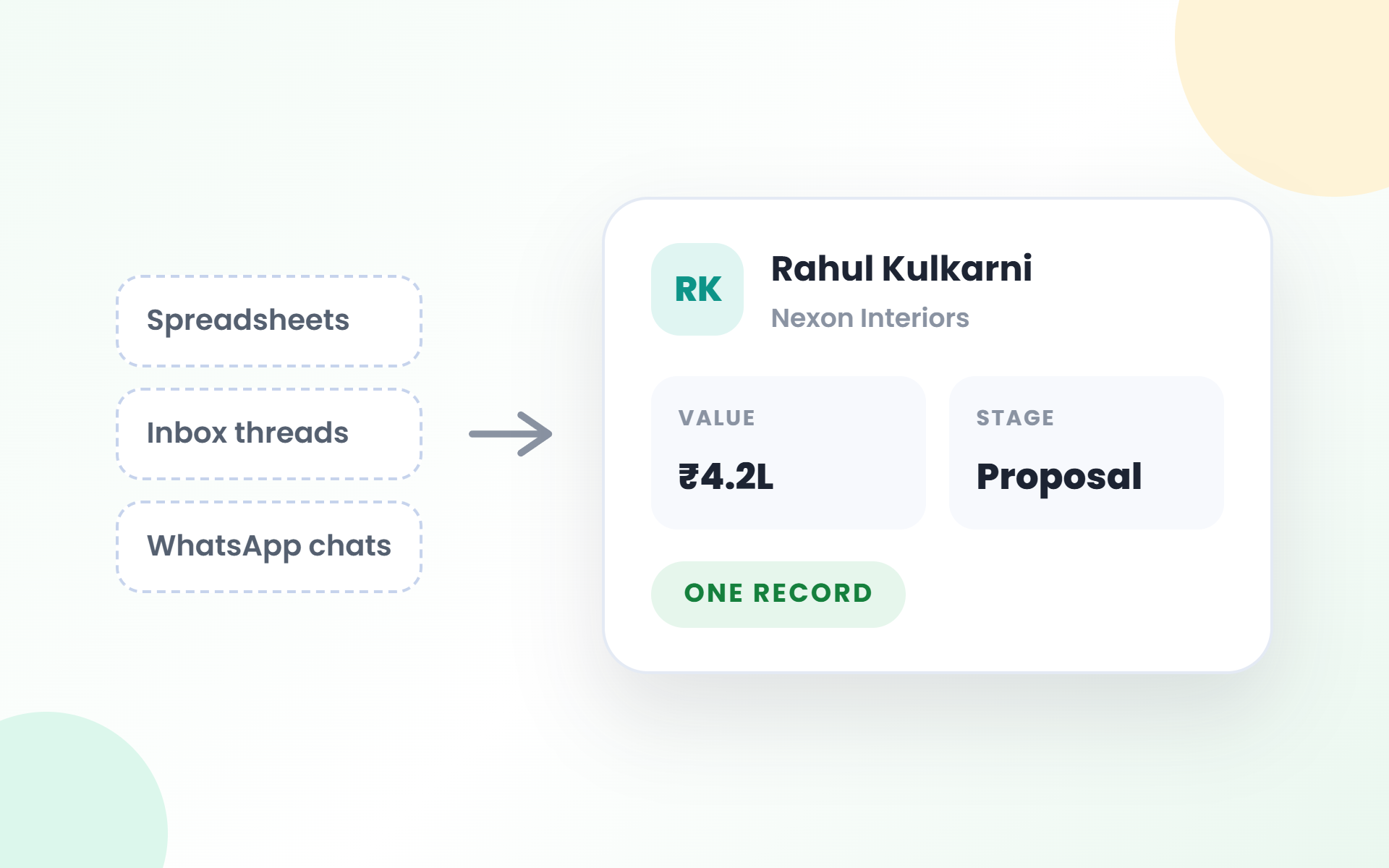
- Capture leads automatically from every channel.
- Assign leads instantly to the right sales representative.
- Notify teams in real time.
- Use automated acknowledgements for incoming inquiries.
- Track first response time as a key performance metric.
- Follow up consistently if prospects don't reply.
Even small improvements in response time can have a measurable impact on conversions.
Measure What Matters
Many businesses monitor:
- Leads generated
- Opportunities created
- Deals won
- Revenue closed
But fewer measure how long it actually takes to respond to a new inquiry.
Tracking first response time alongside conversion rates helps identify bottlenecks and uncover opportunities to improve the customer experience.
What gets measured gets improved.
Why Speed Is a Competitive Advantage
Products can be copied.
Pricing changes.
Features evolve.
But a fast, professional customer experience is much harder to replicate consistently.
Businesses that respond quickly demonstrate reliability, build trust earlier, and create stronger relationships from the very first interaction.
In many cases, the fastest response isn't just the first conversation—it's the first step toward winning the deal.
Final Thoughts
A slow first response costs more than time—it costs opportunities.
Every hour of delay increases the chances that prospects lose interest, choose a competitor, or simply never reply again. By improving lead routing, automating notifications, and making response time a measurable sales metric, businesses can turn speed into a lasting competitive advantage.
The best sales teams don't just generate leads—they respond while interest is at its peak.