Winning a customer is only the beginning.
The businesses that achieve sustainable growth aren't necessarily the ones acquiring the most customers—they're the ones that consistently build long-term relationships. A well-defined customer management process helps businesses deliver better experiences, improve customer satisfaction, increase retention, and unlock new revenue opportunities.
Whether you're a startup or an established enterprise, having a structured approach to managing customers can transform how your team operates.
Here's a practical guide to the customer management process and ten best practices every growing business should follow.
What Is the Customer Management Process?
The customer management process is the series of activities a business follows to attract, engage, support, and retain customers throughout their entire lifecycle.
It begins when a potential customer first interacts with your business and continues long after the initial purchase.
A typical customer journey includes:
- Lead generation
- Qualification
- Sales engagement
- Customer onboarding
- Ongoing support
- Relationship management
- Renewals and upsells
- Customer retention
The objective isn't simply to close deals—it's to create lasting customer relationships that drive recurring business.
Why Customer Management Matters
Strong customer management helps businesses:
- Increase customer loyalty
- Improve customer satisfaction
- Boost customer lifetime value
- Generate repeat business
- Reduce customer churn
- Improve sales forecasting
- Strengthen brand reputation
When every interaction is organized and consistent, customers are more likely to stay with your business.
1. Centralize Customer Information
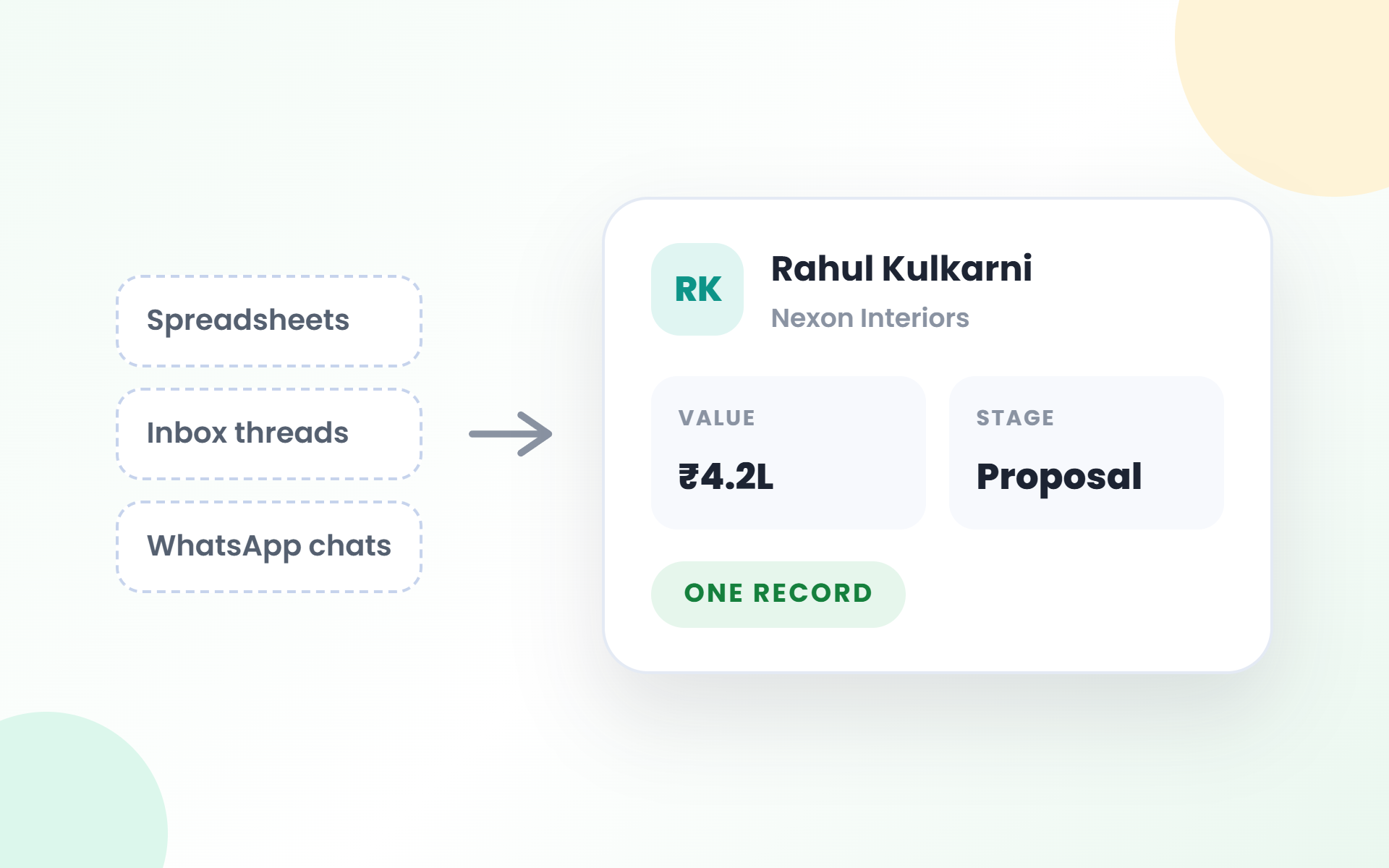
Customer data shouldn't be scattered across spreadsheets, emails, and messaging apps.
Maintain a single customer profile containing:
- Contact information
- Communication history
- Purchase history
- Notes
- Documents
- Tasks
- Previous support interactions
Having complete context enables every team member to provide a better customer experience.
2. Respond Quickly
First impressions matter.
Customers expect prompt responses to inquiries, support requests, and follow-ups.
Reducing response time helps:
- Build trust
- Improve engagement
- Increase conversion rates
- Prevent lost opportunities
Speed demonstrates professionalism and reliability.
3. Personalize Every Interaction
Customers don't want generic communication.
Use available customer information to personalize:
- Emails
- Calls
- Product recommendations
- Follow-ups
- Support conversations
Personalized experiences strengthen relationships and improve customer satisfaction.
4. Standardize Your Sales Process
Every sales representative should follow a consistent process.
Clearly define:
- Lead qualification
- Sales stages
- Follow-up schedules
- Proposal workflows
- Closing procedures
Consistency improves forecasting and creates a better buying experience.
5. Automate Routine Tasks
Manual work slows teams down.
Automate repetitive activities such as:
- Lead assignment
- Follow-up reminders
- Email acknowledgements
- Task creation
- Status updates
- Workflow approvals
Automation allows employees to spend more time helping customers.
6. Track Every Customer Interaction
Every conversation matters.
Record interactions from every channel, including:
- Phone
- Meetings
- Live chat
- Website inquiries
A complete interaction history ensures no customer has to repeat the same information twice.
7. Measure Customer Satisfaction
Listening to customers is essential.
Regularly collect feedback using:
- Customer satisfaction (CSAT) surveys
- Net Promoter Score (NPS)
- Product reviews
- Support feedback
- Renewal conversations
Feedback reveals opportunities to improve products, services, and processes.
8. Identify Upsell and Cross-Sell Opportunities
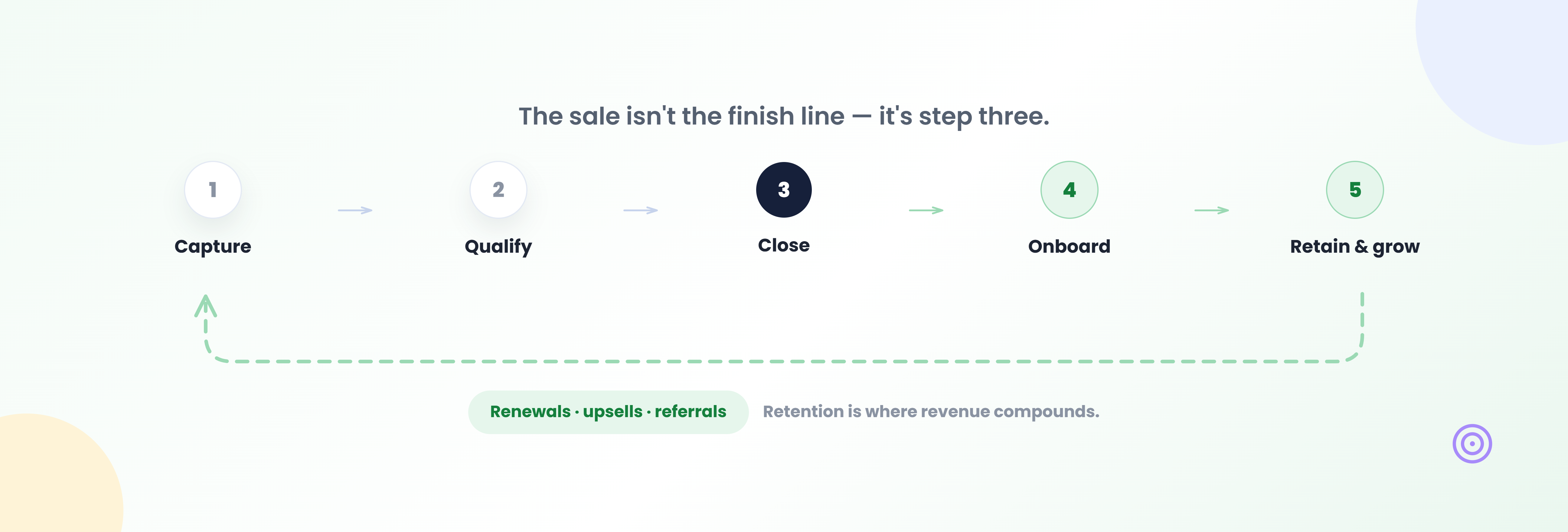
Customer management doesn't end after the first sale.
Monitor customer usage, business growth, and changing needs to identify opportunities for:
- Product upgrades
- Additional services
- Premium plans
- Complementary products
Helping customers solve more problems benefits both the customer and your business.
9. Monitor Customer Health
Don't wait until customers decide to leave.
Track indicators such as:
- Product usage
- Support activity
- Renewal dates
- Engagement levels
- Customer feedback
- Account activity
Early warning signs allow teams to intervene before customers churn.
10. Continuously Review Performance
Customer management should evolve with your business.
Regularly review key metrics such as:
- Customer retention rate
- Customer lifetime value
- Churn rate
- Response time
- Win rate
- Renewal rate
- Customer satisfaction
Continuous improvement helps teams deliver better experiences year after year.
Common Customer Management Mistakes
Even businesses with great products can struggle if their customer management process is weak.
Common mistakes include:
- Storing customer data in multiple systems
- Missing follow-ups
- Delayed responses
- Lack of ownership
- Poor communication between departments
- Ignoring customer feedback
- Failing to measure performance
Recognizing these issues is the first step toward improving them.
Build Relationships, Not Just Transactions
Successful businesses understand that customers aren't just numbers in a database.
Every interaction shapes the customer's perception of your brand.
By responding quickly, communicating consistently, personalizing experiences, and maintaining accurate customer records, businesses create trust that leads to long-term loyalty.
Customer retention is rarely the result of one great interaction—it's the result of consistently delivering value throughout the customer journey.
Final Thoughts
A strong customer management process is one of the most valuable investments a growing business can make.
By centralizing customer information, standardizing workflows, automating routine tasks, and continuously improving customer experiences, organizations can increase retention, improve operational efficiency, and generate sustainable revenue growth.
The businesses that thrive in 2026 won't simply acquire more customers—they'll build stronger relationships with the ones they already have.