
Every sales team has a response-time policy.
Some promise to contact new leads within an hour. Others aim for four hours or the same business day. These expectations are usually documented in onboarding guides, SOPs, or team handbooks.
But here's the reality: a policy written in a document rarely changes behavior.
What actually changes behavior is when response-time expectations are visible, measurable, and enforced through your CRM.
That's where SLA (Service Level Agreement) timers make all the difference.
What Is an SLA Timer?
An SLA timer is a countdown that measures how long a sales representative has to take a specific action—such as responding to a new lead, following up after a meeting, or resolving a customer inquiry.
Instead of relying on memory or manual reminders, the system continuously tracks deadlines and alerts the team before they're missed.
Every lead has a clock.
Every rep knows exactly what requires attention.
Why Response-Time Policies Often Fail
Many organizations define response-time goals but never enforce them.
Sales representatives are busy managing calls, meetings, demos, and follow-ups. Without visibility, new leads can remain untouched for hours—or even days.
Common reasons include:
- No real-time reminders
- Manual lead assignment
- Multiple communication channels
- Lack of accountability
- No reporting on missed SLAs
Eventually, the written policy becomes a suggestion rather than a standard.
Visibility Changes Behavior
The moment an SLA timer becomes visible inside the CRM, priorities change.
Instead of asking:
"Which lead should I contact next?"
Sales representatives immediately see:
- Which lead is about to breach its SLA
- Which opportunities require urgent follow-up
- Which tasks are overdue
- Which customers have been waiting the longest
The system removes guesswork and creates a clear order of priorities.
Accountability Drives Consistency
People naturally respond to what gets measured.
When managers can view:
- Average first response time
- SLA compliance percentage
- Missed response deadlines
- Team performance by representative
Response time becomes an operational metric rather than a personal habit.
This creates consistency across the entire sales team.
Faster Responses Improve Customer Experience
From the customer's perspective, speed reflects professionalism.
Quick responses communicate that:
- Their inquiry is important.
- The business is organized.
- The sales team is attentive.
- Support will likely be responsive after purchase.
Even if a full solution isn't immediately available, acknowledging the inquiry quickly builds confidence and keeps the conversation moving.
SLA Timers Reduce Lead Leakage
One of the biggest causes of lost opportunities isn't pricing or competition—it's simply delayed follow-up.
Without SLA tracking:
- New leads sit unassigned.
- Follow-up calls are forgotten.
- High-intent prospects lose interest.
- Opportunities quietly disappear from the pipeline.
An SLA timer acts as an early warning system, ensuring no lead is overlooked.
Managers Gain Better Pipeline Visibility
SLA tracking isn't just valuable for sales representatives.
Managers can quickly identify:
- Teams missing response targets
- Workload imbalances
- Bottlenecks in lead assignment
- High-performing representatives
- Process improvements that reduce delays
Instead of reacting after deals are lost, managers can intervene before service levels are breached.
Best Practices for Using SLA Timers
To get the most value from SLA tracking:
- Define realistic response-time goals.
- Apply different SLAs for different lead priorities.
- Display countdown timers directly in the CRM.
- Notify representatives before deadlines expire.
- Escalate overdue leads automatically.
- Track SLA performance in dashboards.
- Review SLA reports during sales meetings.
The objective isn't to pressure the team—it's to create consistent, timely engagement with every prospect.
Beyond Response Time
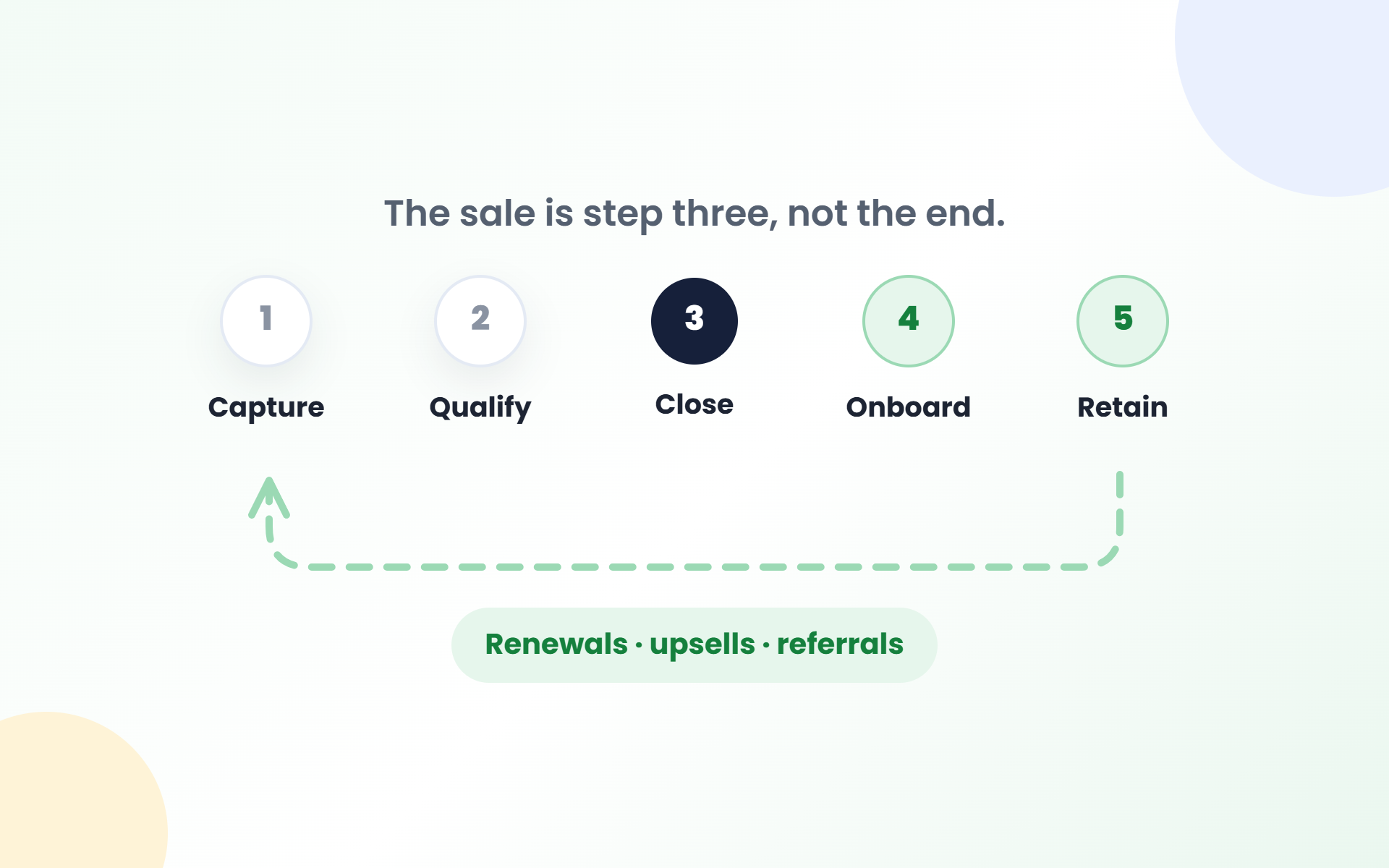
Modern CRM platforms can apply SLA timers throughout the entire sales process, including:
- First response to new leads
- Demo scheduling
- Proposal delivery
- Follow-up reminders
- Opportunity stage progression
- Customer onboarding tasks
This keeps deals moving forward and prevents opportunities from stalling.
Final Thoughts
A response-time policy stored in a handbook is easy to ignore.
A response-time policy enforced by SLA timers becomes part of your team's daily workflow.
By making deadlines visible, measurable, and actionable, SLA timers help sales teams respond faster, improve accountability, reduce missed opportunities, and deliver a more consistent customer experience.
In lead management, speed isn't just about working faster—it's about building habits that help every opportunity receive the attention it deserves.